Introduction to SQL – Real-Time Understanding
A beginner-friendly guide to understanding databases and SQL for non-IT professionals
What Is a Database and Its Language?
Just like we use language to communicate, databases also need a language to store, retrieve, and manage data. That language is SQL – Structured Query Language. It's used everywhere — from banks and hospitals to online stores and mobile apps.
💡 Did you know? Every time you search on Google or order food online, you're interacting with databases powered by SQL!

Real-Life Example: Managing Household Data

Suppose you earn ₹1,00,000 per month. You spend on groceries, rent, petrol, school fees, etc. If you forget to track even one, your calculations go wrong. Now imagine running a business — missing employee salaries or client invoices can create chaos. Hence, we need structured data.
- Personal finance apps use databases to track your spending
- Businesses use databases to manage thousands of transactions
- Without organization, data becomes useless
Expanding Your Business
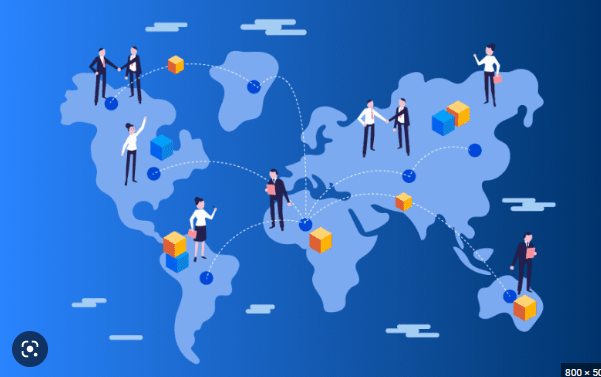
You start a company in Hyderabad and expand to Bangalore, Chennai, and even abroad. Now you need to manage data from multiple branches — stock, sales, salaries, performance. That's where databases come in.
Database Benefits for Business:
- ✓Centralized data management
- ✓Real-time access from multiple locations
- ✓Secure data storage with backups
Competitor Impact: Zomato vs Swiggy | Samsung vs LG
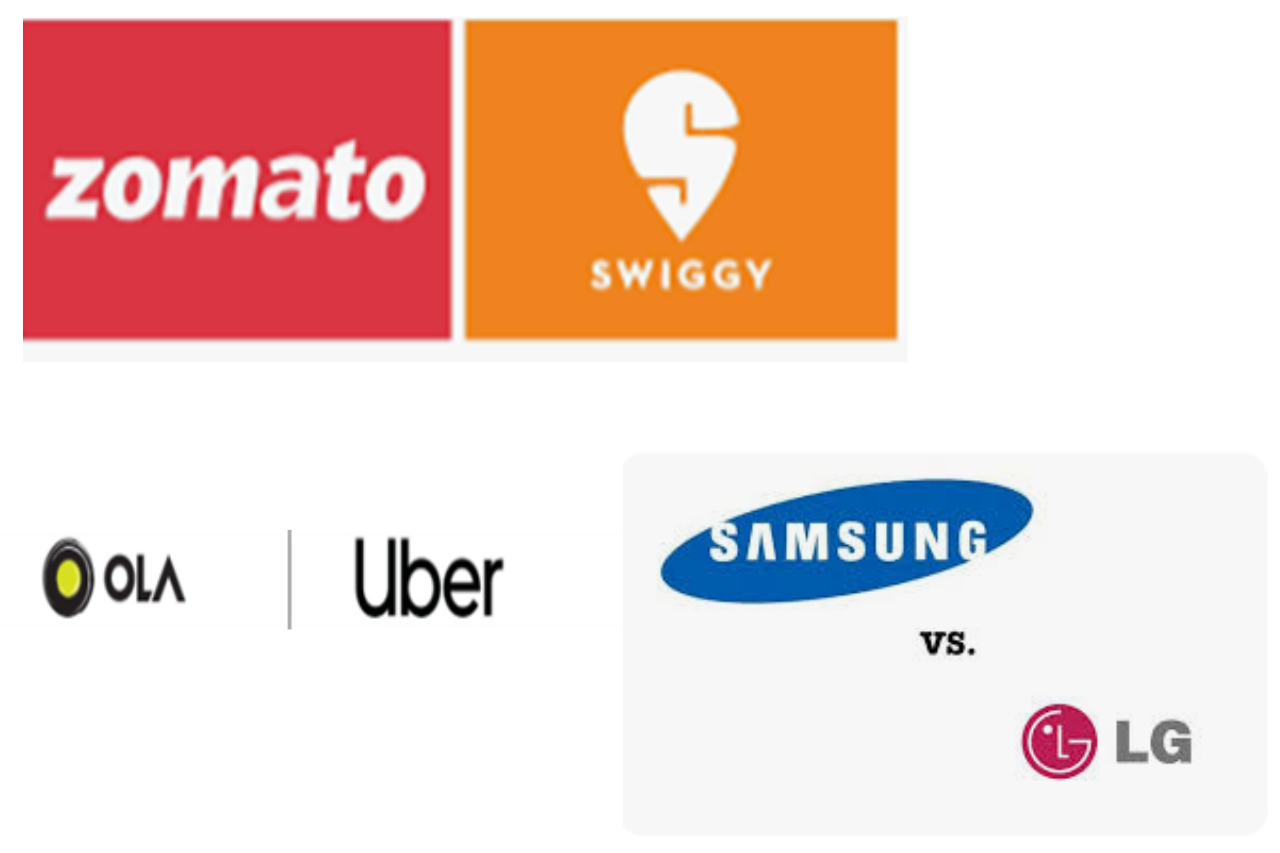
A small offer from Zomato can heavily affect Swiggy. Samsung reducing a phone's price may impact LG. Companies analyze historical data, track patterns, and decide strategy. This is data-driven decision-making.
🎯 Competitive intelligence databases help businesses track market trends, pricing strategies, and customer preferences.
Data Giants: YouTube & Google
YouTube sees 500+ hours of video uploaded every minute. Google handles billions of queries daily. They use massive databases to store, retrieve, and secure data. SQL is at the core of these operations.
YouTube Stats
500+
hours/minute uploaded
Google Stats
8.5B+
searches/day

From Notes to Cloud – The Evolution of Data Storage
Let's see how storage evolved from physical formats to cloud-based systems.
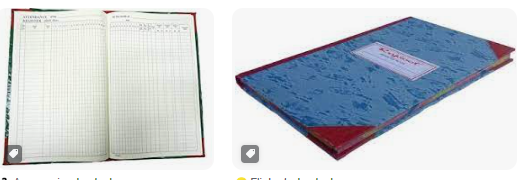
Notebook
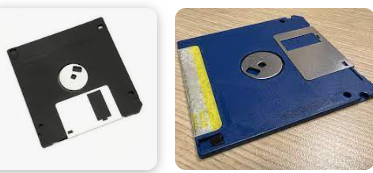
Floppy Disk
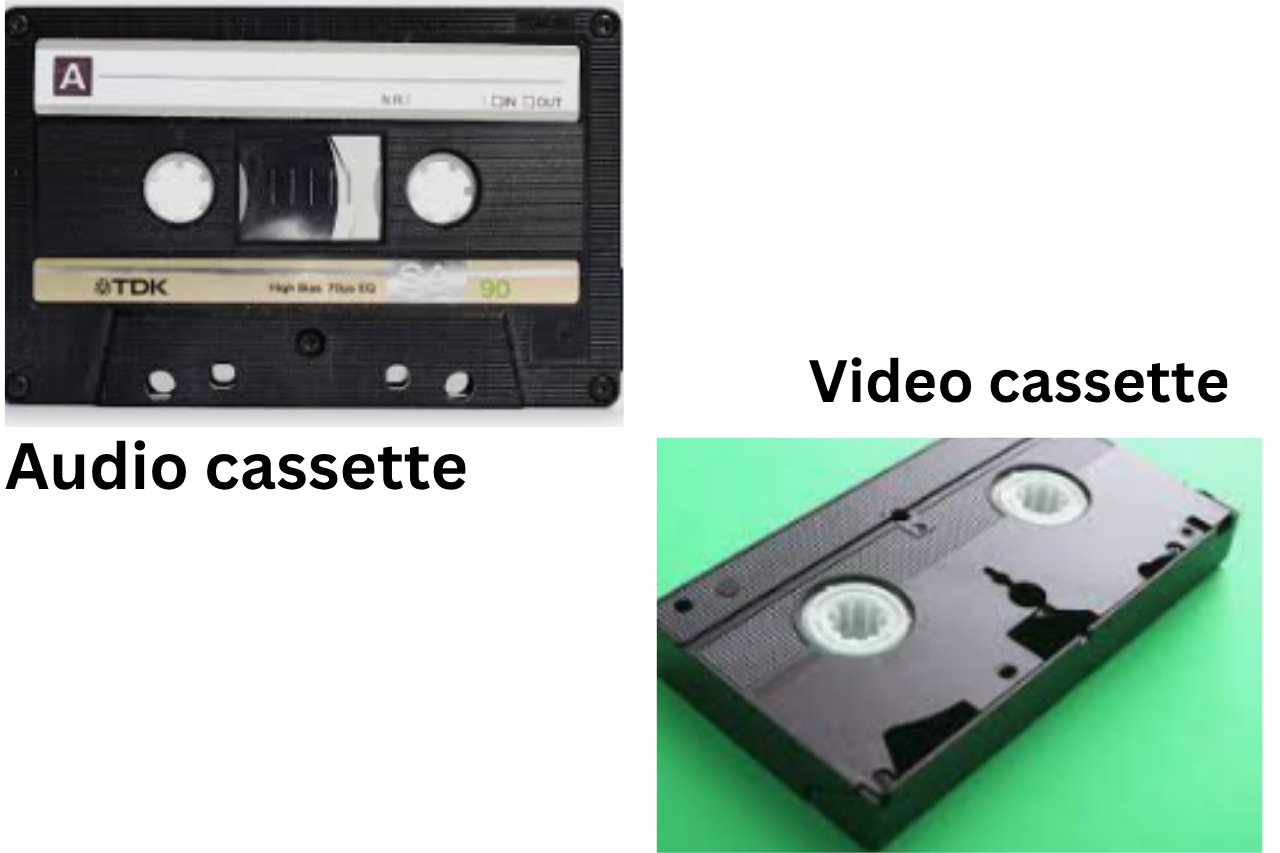
Cassette
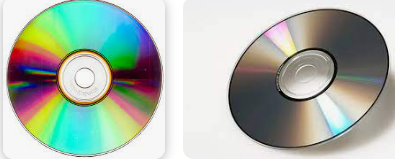
CD
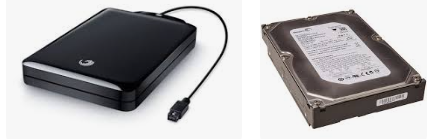
Hard Disk
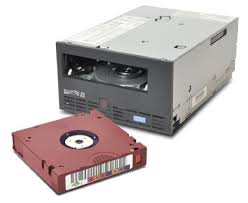
Tape Drive
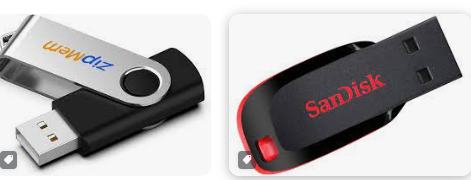
Pen Drive
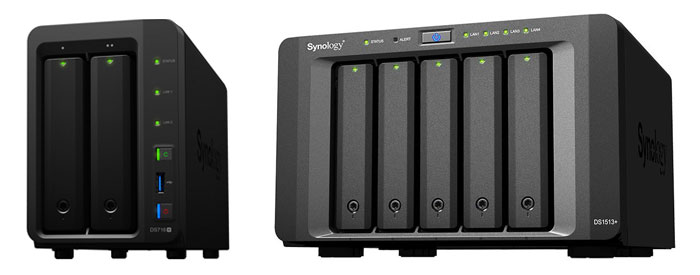
NAS
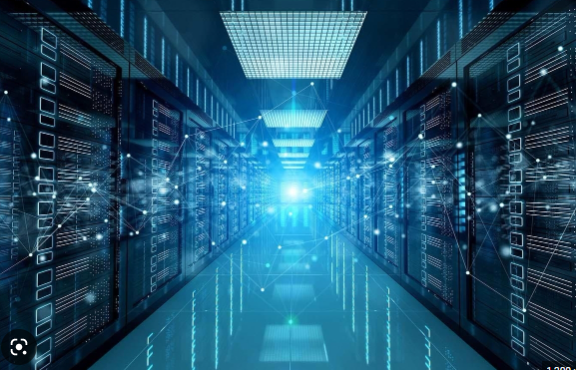
Server
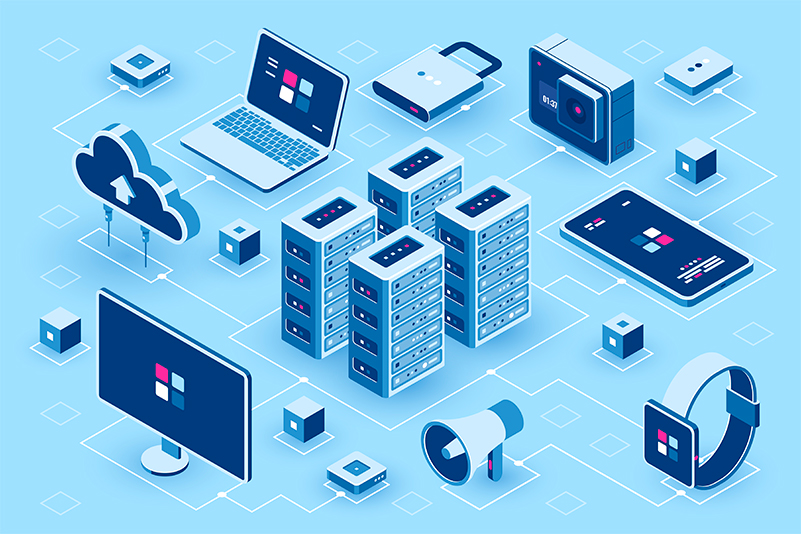
Cloud
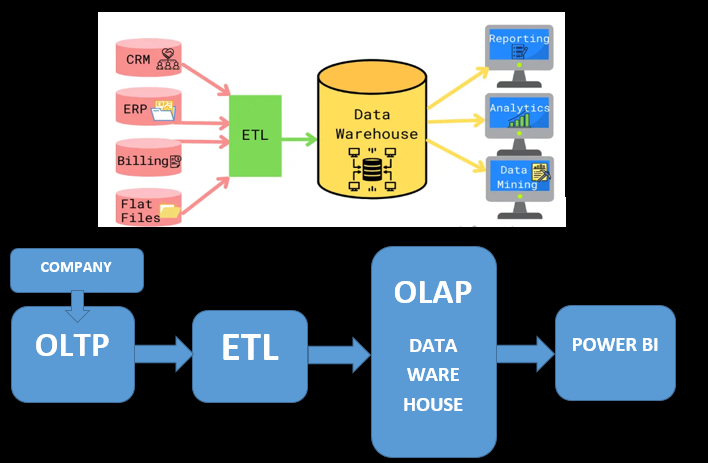
OLTP vs OLAP – Real-Time vs Historical Data
OLTP (Online Transaction Processing)
Used for real-time transactions like:
- Billing systems
- Payroll processing
- ATM transactions
- Online orders
OLAP (Online Analytical Processing)
Used for analyzing historical data like:
- Market trend analysis
- Financial reporting
- Business intelligence
- Competitor research
Popular Databases in the Market
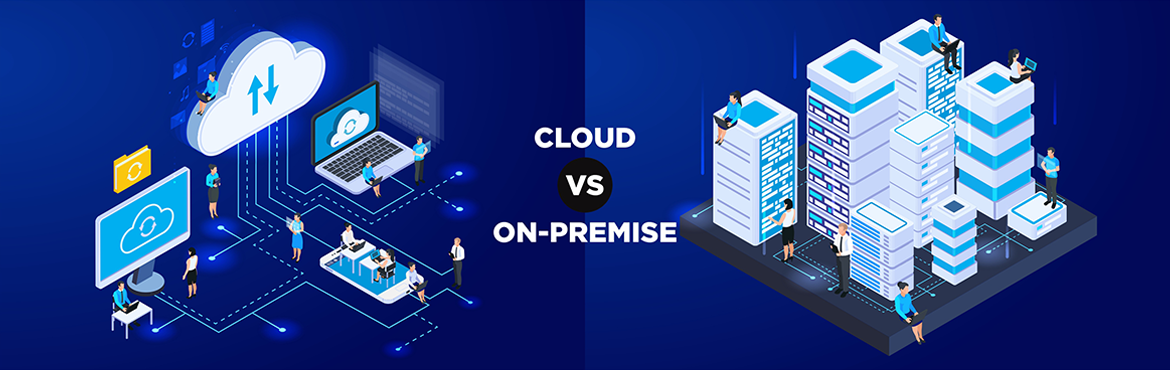
On-Premises vs Cloud Databases
🏢On-Premises
- ✗Requires physical hardware
- ✗Local servers needed
- ✗Manual maintenance
- ✗Higher upfront costs
☁️Cloud Databases
- ✓Pay-as-you-go model
- ✓Accessible from anywhere
- ✓Automated scaling
- ✓Built-in security
What Is a Schema?
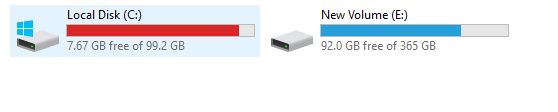
In Oracle or other DBs, a schema is like a folder in your system. Just like Local Disk C or D, you can have schemas like SYSTEM, STAGE, SOURCE — each holding tables, procedures, etc.
Schema Components:
- 📄Tables
- 📊Views
- 🔄Procedures
- 🔒Permissions